
Introduction
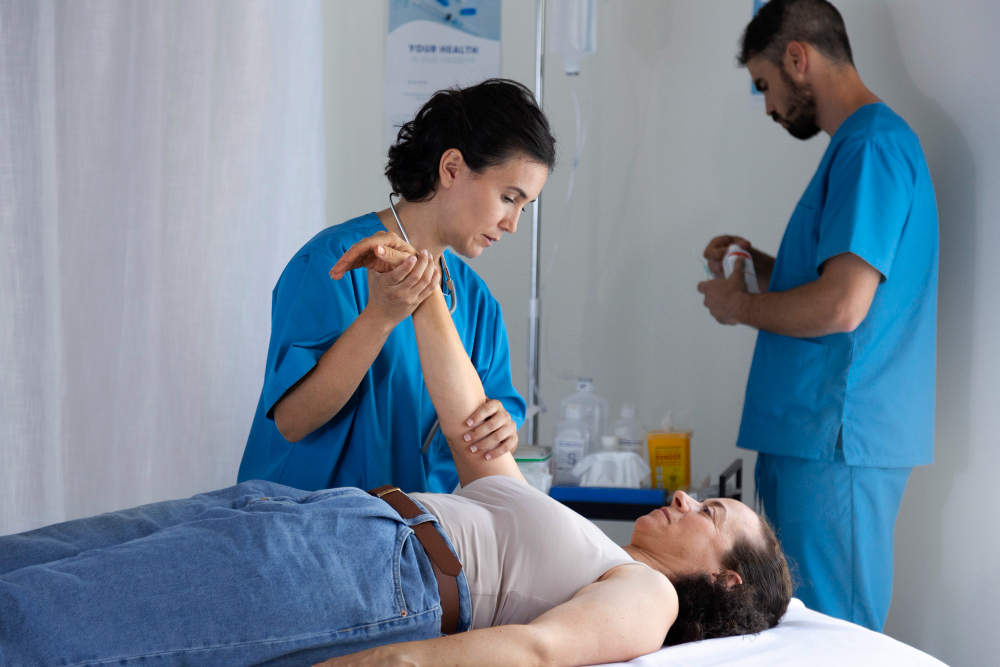
After surgery, your body needs time and support to heal. This healing process is called post-surgery rehabilitation. Physiotherapy is a key part of this process. It helps you regain strength, movement, and confidence. In fact, physiotherapy in post-surgery rehabilitation can make your recovery smoother and faster. Let’s explore why it is so important.
Importance of Physiotherapy After Surgery
Many people feel weak or stiff after surgery. Sometimes, pain or swelling can make it hard to move. However, physiotherapy helps you get back on your feet. It guides you through safe exercises and movements. As a result, you can avoid problems and speed up your recovery. According to the World Health Organization (WHO), early movement and exercise are vital for healing after surgery.
Common Surgeries Requiring Physiotherapy
Not all surgeries need the same care. Still, many types benefit from physiotherapy. Here are some common surgeries where physiotherapy plays a big role:
Even after minor surgeries, your doctor may suggest physiotherapy to help you recover better.
Key Benefits of Post-Surgical Physiotherapy
Physiotherapy offers many benefits after surgery. For example, it can:
Moreover, studies in medical journals show that people who follow a physiotherapy plan recover faster and have fewer problems later.
Typical Physiotherapy Techniques Used Post-Surgery
Physiotherapists use many safe and proven methods to help you heal. Some common techniques include:
Each plan is tailored to your surgery and needs. Therefore, your physiotherapist will choose the best methods for you.
What to Expect During Physiotherapy Sessions
At your first session, your physiotherapist will check your movement and pain levels. Next, they will set clear goals for your recovery. During each visit, you will learn and practice exercises. Your therapist will guide you and make sure you are safe. Over time, they will adjust your plan as you get stronger. Most sessions last 30 to 60 minutes. However, the number of sessions depends on your surgery and progress.
Tips for Maximizing Recovery at Home
Home care is just as important as clinic visits. Here are some tips to help you recover well:
With these steps, you can help your body heal faster and avoid setbacks.
Prevention of Complications and Long-Term Outcomes
Physiotherapy does more than help you heal. It also prevents problems like blood clots, joint stiffness, or muscle loss. In addition, it lowers your risk of falls or re-injury. Over time, good physiotherapy can improve your quality of life. According to the CDC, people who stay active after surgery have better long-term health.
Conclusion and Call-to-Action
In summary, physiotherapy is a vital part of post-surgery rehabilitation. It helps you recover faster, move better, and avoid problems. If you are planning surgery or are in recovery, talk to your doctor about starting physiotherapy. Consult a qualified physiotherapist for personalized post-surgery rehabilitation guidance.